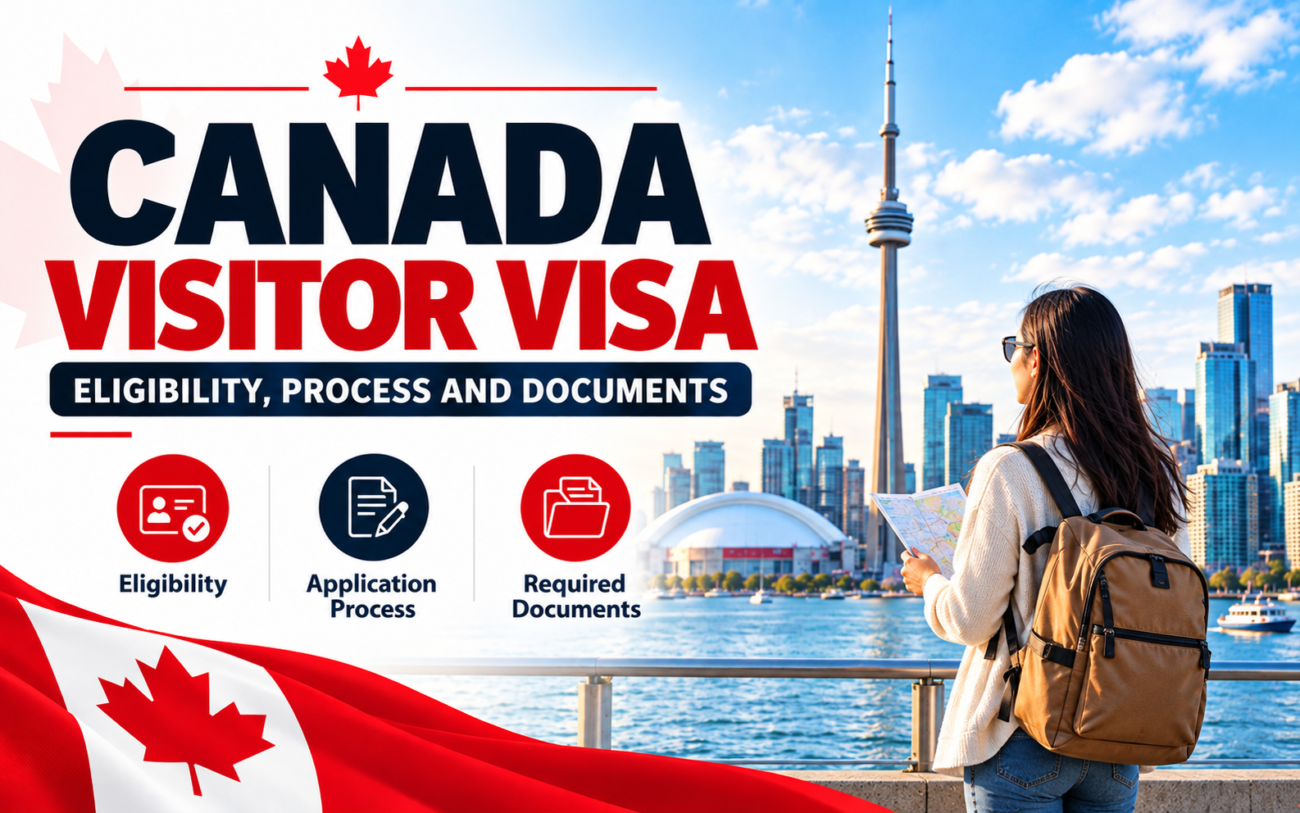
Canada Visitor Visa: Eligibility and Application Guide
What is a Canada visitor visa?
A Canada visitor visa, also called a temporary resident visa (TRV), is a travel document that may be required before a foreign national travels to Canada. It allows a person to travel to a Canadian port of entry and ask to enter. It does not guarantee admission: a border services officer makes the final decision when the traveller arrives. Some travellers may instead be eligible to travel with an electronic travel authorization (eTA), or may not need a visa at all. Check the official Government of Canada guidance for your nationality and travel document before making plans.
People commonly visit Canada for tourism, family visits, short business-related activities permitted under visitor rules, or other temporary purposes. A visitor visa is not a work permit and is not a general permission to take a job in Canada. Study is also subject to separate rules; some short courses may be exempt from a study permit, but applicants should verify the conditions before enrolling.
Who may qualify?
There is no single checklist that makes every applicant eligible. An officer assesses the full application and the person’s circumstances. Generally, applicants should be ready to show that:
- They hold a valid travel document and meet the visa requirement that applies to them.
- Their proposed visit is temporary and has a credible purpose.
- They have enough money for the trip, or a clear and credible source of financial support.
- They have reasons to leave Canada at the end of the authorized stay, such as work, study, family responsibilities, property or other ongoing commitments.
- They are admissible to Canada and have truthfully disclosed relevant background information.
A strong application explains the applicant’s individual circumstances rather than relying on a generic cover letter. Family circumstances, employment history, travel history, funds, the length of the planned visit and consistency across documents can all matter. No consultant can guarantee approval.
Documents to prepare
The exact checklist depends on the application route, location, purpose and applicant’s circumstances. Review the personalized checklist generated during the current application process. Supporting documents may include:
- A valid passport or travel document, plus copies of relevant pages as requested.
- The purpose and itinerary of the visit, such as travel plans, an event invitation or a realistic outline of activities.
- Evidence of funds, such as bank statements, income records or a sponsor’s documents where relevant.
- Employment, study, business or other evidence that helps explain the applicant’s ties outside Canada.
- An invitation letter and host information for a family or friend visit, if applicable. An invitation letter alone does not guarantee approval.
- Evidence of the relationship to a host, where relevant, and documents explaining who will pay for the trip.
- Biometrics or medical examination documents if IRCC requests them or the rules require them.
- Certified translations or format-compliant copies where required.
Do not submit altered, misleading or fabricated evidence. If a document is unavailable, explain the situation accurately and provide suitable alternatives where the application instructions allow it.
How to apply step by step
1. Confirm the correct travel document
Use the official eligibility page to determine whether a visitor visa, eTA or another document applies. Do not choose a route solely because another traveller used it.
2. Identify the correct application route
IRCC provides online application instructions and may require applicants to complete forms and upload documents through the relevant account or application portal. Follow the current official process for your circumstances.
3. Complete the forms carefully
Names, passport details, dates, travel history and family information should be accurate and consistent. Read each question fully. If an answer requires context, use the permitted explanation field or upload a concise letter where appropriate.
4. Upload supporting evidence and pay the fee
Use the current checklist and file specifications. The standard visitor visa application fee has recently been listed by IRCC as CAD $100 per person, but fees can change and special circumstances may apply. Biometrics, if required, are usually an additional fee. Confirm today’s amount on the official fee page before paying.
5. Complete biometrics or other requested steps
If IRCC issues a biometrics instruction letter, follow its deadline and appointment directions. Complete a medical exam or provide additional material only when required or appropriate under the current instructions.
6. Track the file and respond to requests
Check the account and email regularly. If IRCC requests more information, respond by the deadline and address the request directly. Approval, passport submission instructions and visa issuance depend on the specific case and current process.
Fees and processing times
Fees and processing times are not fixed promises. Processing varies by country of application, application volume, completeness, background checks and other factors. Use the official IRCC processing-time tool for the relevant application type and location. A published estimate is not a guarantee for an individual case. Avoid booking non-refundable travel until you understand the risks and have the required travel document.
Common mistakes to avoid
- Assuming a visa guarantees entry to Canada.
- Providing inconsistent dates or unexplained gaps in employment, travel or education.
- Relying on an invitation letter without showing the broader purpose, funds and circumstances of the visit.
- Presenting large unexplained deposits or unclear third-party financial support.
- Using copied generic letters that do not describe the applicant’s facts.
- Leaving out requested information or ignoring an IRCC request.
- Relying on old advice about fees, processing times or eligibility.
When a visitor record may be relevant
A visitor visa and a visitor record are not interchangeable. A visa or electronic travel authorization is a travel document where required; a visitor record is a document an officer may issue to extend or set the period of stay inside Canada. A visitor record does not by itself allow a person to return to Canada after traveling. Someone already in Canada who needs more time should check the extension process and submit an application before their authorized stay expires where required. Visitor status also does not convert into permission to work. Check the right process for the person’s current location and status.
Frequently asked questions
1. How long can a visitor stay in Canada?
The period authorized for a particular visitor is determined by the border officer or applicable document and rules. Six months is a common default in many cases, but it is not universal. Check the stamp, visitor record or other instructions that apply to your entry.
2. Can I work in Canada on a visitor visa?
A visitor visa does not itself authorize work. Most foreign nationals need a work permit unless a specific exemption applies. Verify any proposed business activity against the official rules.
3. Can I apply again after a refusal?
An applicant may be able to submit a new application, but should first understand the reasons for refusal and address them with truthful, relevant evidence. Reapplying with the same information may not resolve the concerns.
4. Do I need an invitation letter?
Not every visitor does. An invitation can help explain a family or business visit, but it does not replace the applicant’s own evidence or determine the outcome.
Prepare a clear, evidence-based application
A useful visitor-visa file tells one consistent story: why the trip is planned, how it will be paid for, what the
visitor intends to do, and why the visit is temporary. Build the application around the official instructions
and your actual circumstances, not a template promising success.
AeroPath Immigration lists Canada visitor visa assistance among its services. Applicants who want help
organizing documents or understanding the process can review the service page and ask questions
before deciding whether professional support fits their needs. Approval remains the decision of Canadian
authorities.